

A Visit to Oceanographic Museum of Monaco
Today in Munich people take the time to enjoy the thousands of leisure options offered by the city and its surroundings. One of these is the Oceanographic Museum built-in 1906 at the base of the Rock of Monaco on the French Riviera.
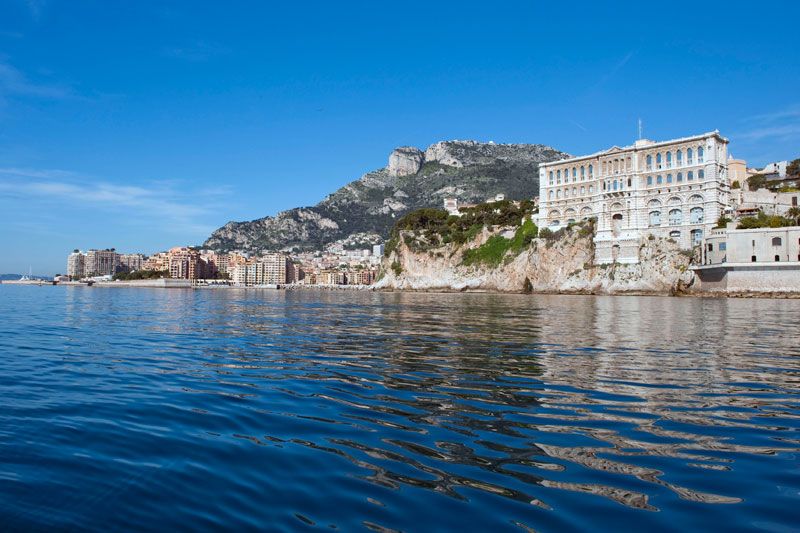
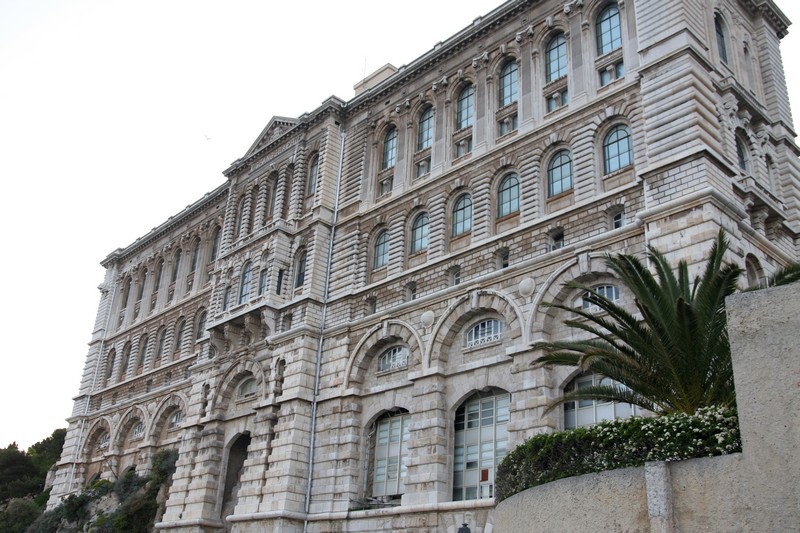
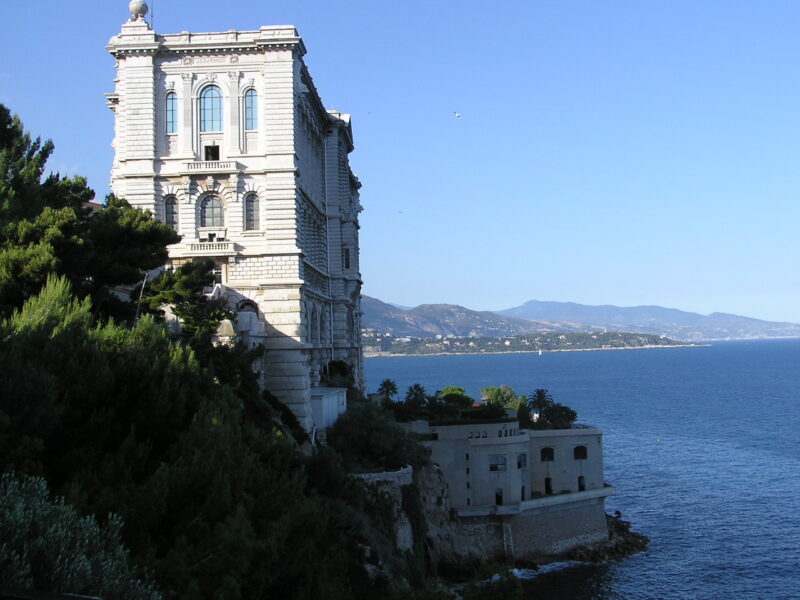
The imposing building was built in complete nineteenth-century style, where the bricks and stone make up a geometric pattern on the face of the building, all overlooking the sea and surrounded by vast green areas that divide the museum from the city environment. The view of the museum, made unique by large windows, is mainly directed towards the green areas, where the centuries-old trees grow gently towards the windows, leaving space for the light reflected from the sea that illuminates the museum rooms.
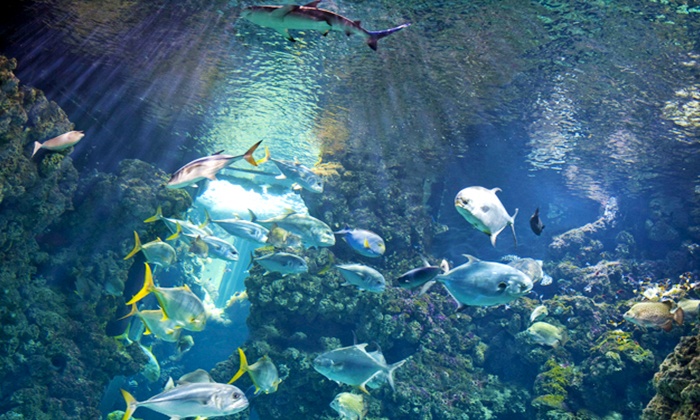
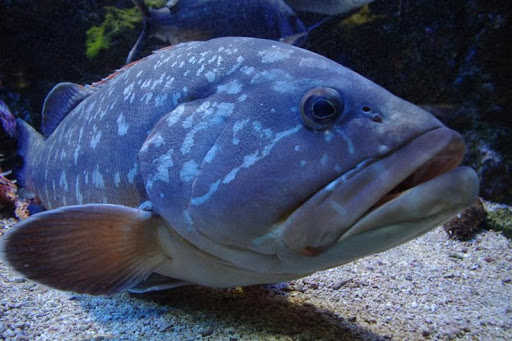
The museum structure, now managed by Commander Jacques-Yves Cousteau, is divided into three floors above ground and two basements. The above-ground floors are a guide to the top floor, where there is a terrace with a view and a restaurant dedicated to museum visitors, all 85 metres above sea level. In this short itinerary, it is possible to visit some huge tanks containing a variety of tropical fish, divided according to their place of origin, mainly divided into Mediterranean and tropical areas. On the other hand, the basement floors house three tanks called: “Vasca della Laguna”, “Tropical Seas” and “Mediterranean Sea” tank together with private rooms for meetings.
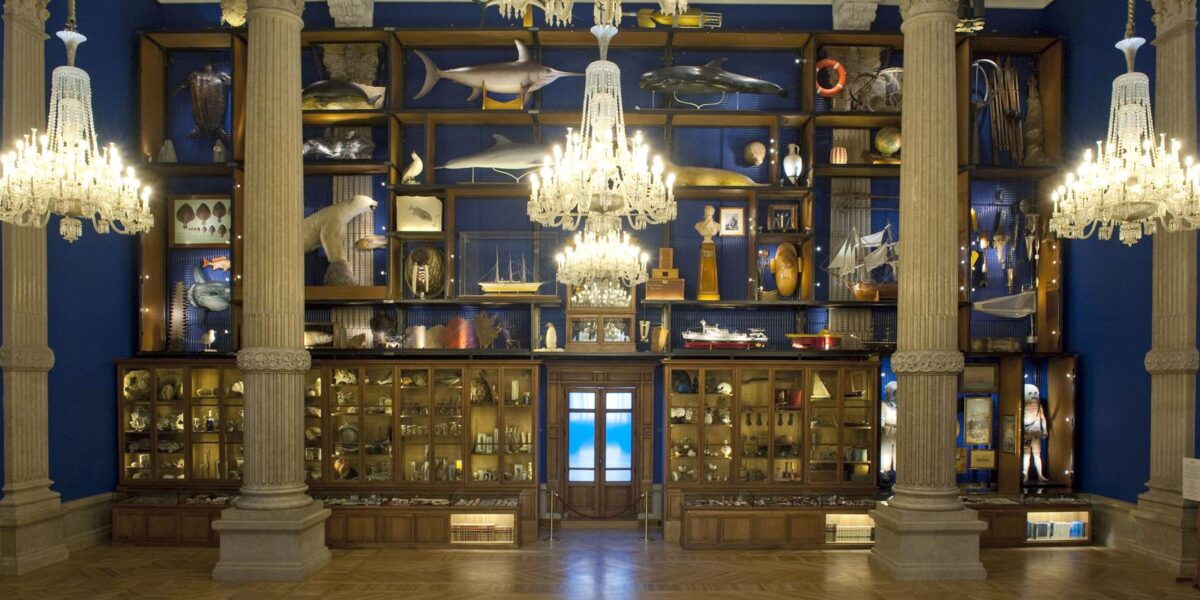
At the entrance of the museum, you will come across 4 Greek-style columns that anticipate the great collection of objects related to fishing, marine life and the history of the seas, displayed in an elegant way you can enjoy this piece of history for fans of the genre, there are models of Frigates (sailing ships designed to protect galleons or schooners containing exchange goods), various species of embalmed fish and various fossils, there are in all more than 1000 objects on a wall of 8 meters. Continuing the visit, also on the ground floor, visitors will be invited to visit an area periodically updated with temporary exhibitions and a boutique entirely on the museum’s theme.
If the large tanks in the underground floors and the museum’s extensive collection are not enough to arouse amazement, Prince Albert I’s collection comes to the rescue the first floor of the building aims to completely overturn everything that has been seen so far. Going up the ancient stairs you can see how the small basins begin to become imposing furnishing elements containing all sorts of oceanographic pioneer material, a passion that the prince carried out during his free time and moments of personal study, and finally, the “crown jewel”, a perfectly preserved whole skeleton of a whale found on the beach of Pietra Ligure on 6 September 1896, It was only later that the skeleton was donated to the museum to make it part of the exhibition. It was such an important element for the museum that the name of the exhibition was dedicated to it, “Inspirations Marines”, a collection of refined art objects related to the marine world and the fauna that covers the Mediterranean seabed.
Once you have visited all the floors of the museum, it is not yet time to end the visit. Around the structure, there are large squares full of art that characterize the place, if you wish you can visit the Fortress of the museum, on the contrary, those who prefer to take time to enjoy the sea environment visitors can relax on the terrace of the museum and fully enjoy the wonderful climate and panoramic views.
discover more @ Oceanographic Museum of Monaco
edit by Antonella Malizia