Andy Warhol adoptive father of Pop Art
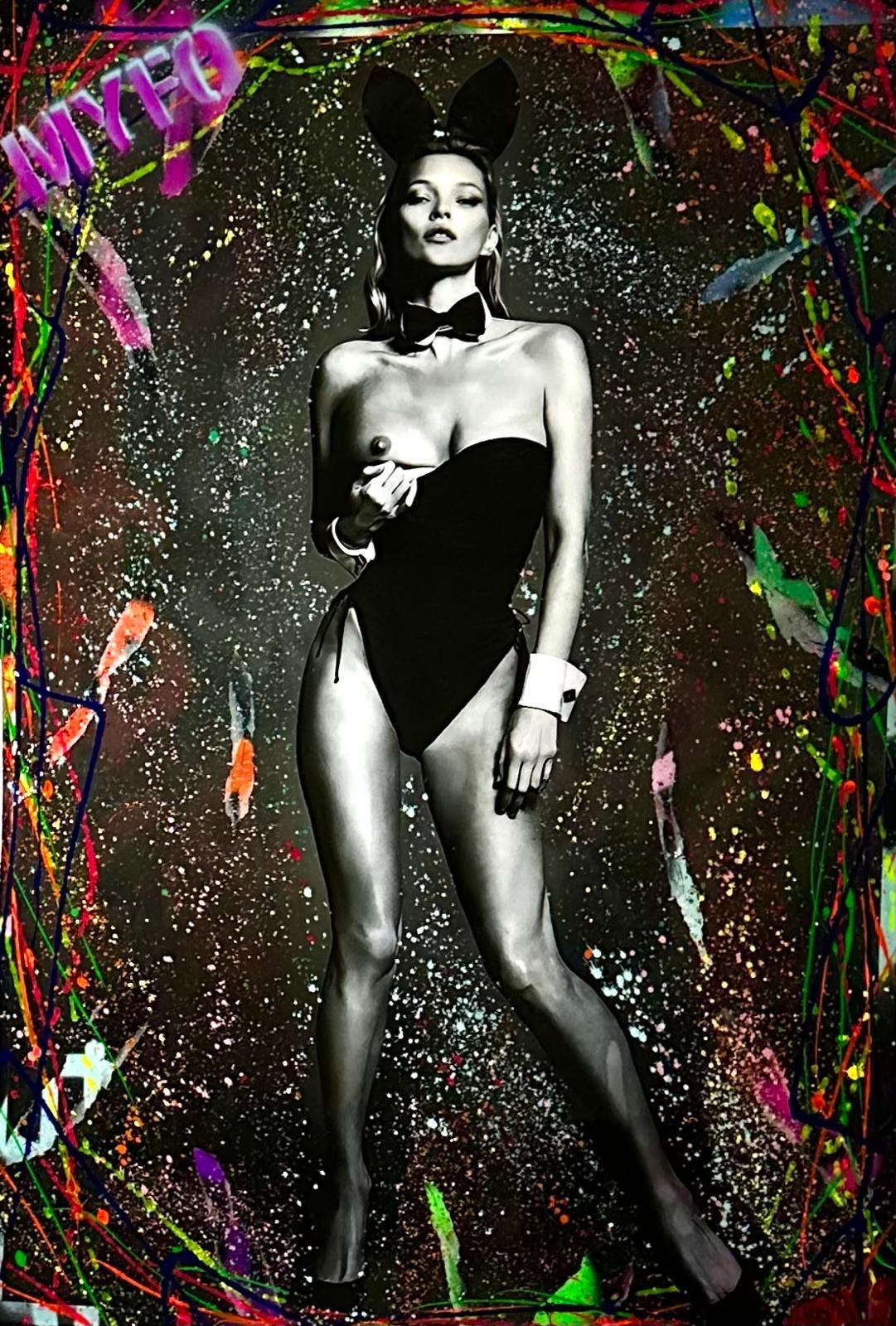
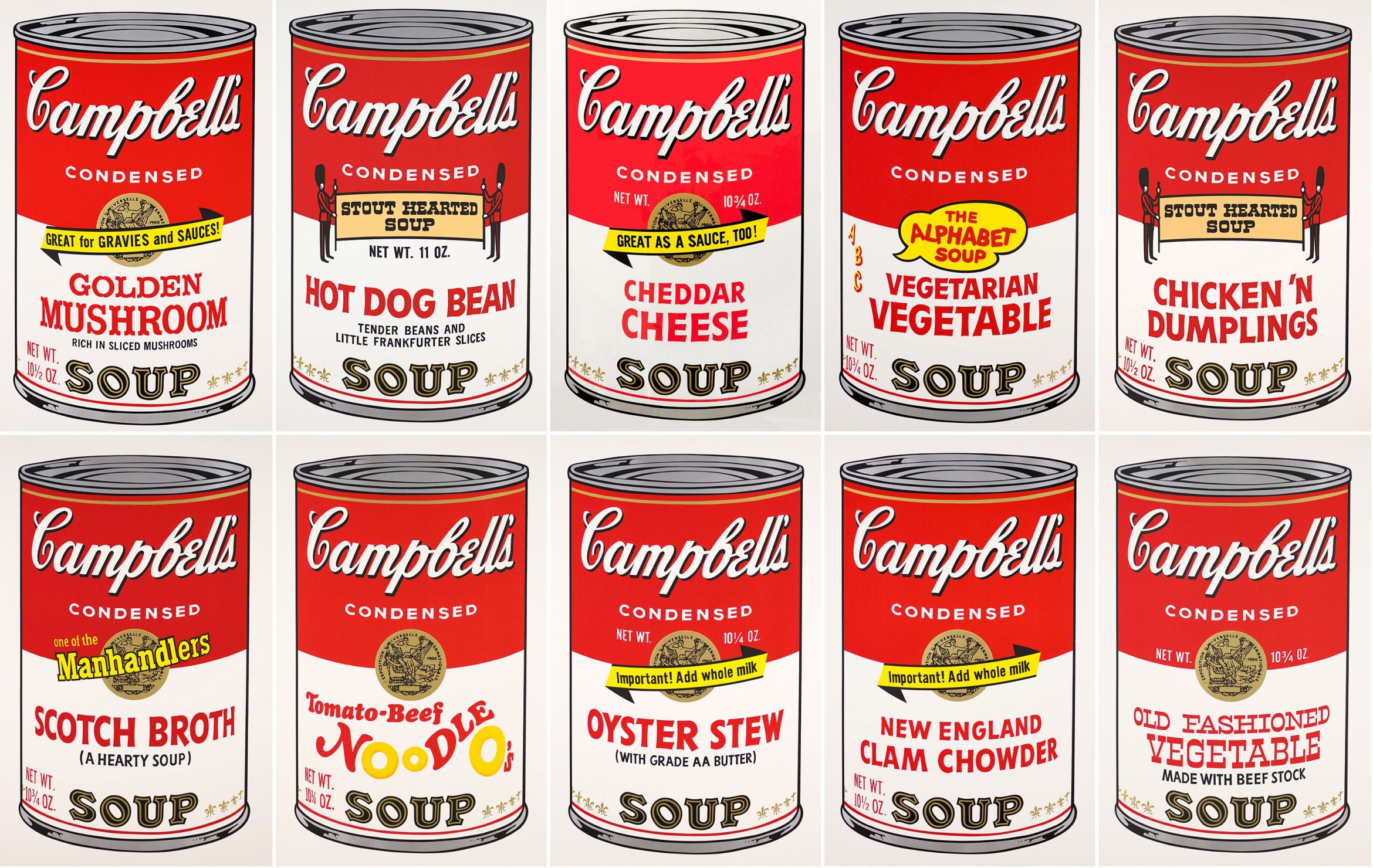
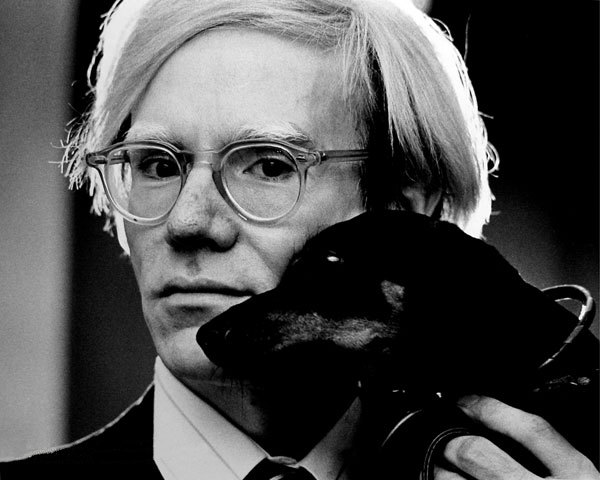
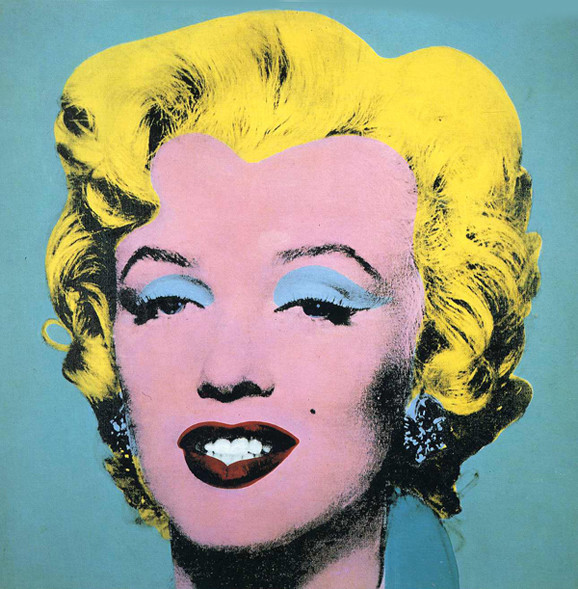
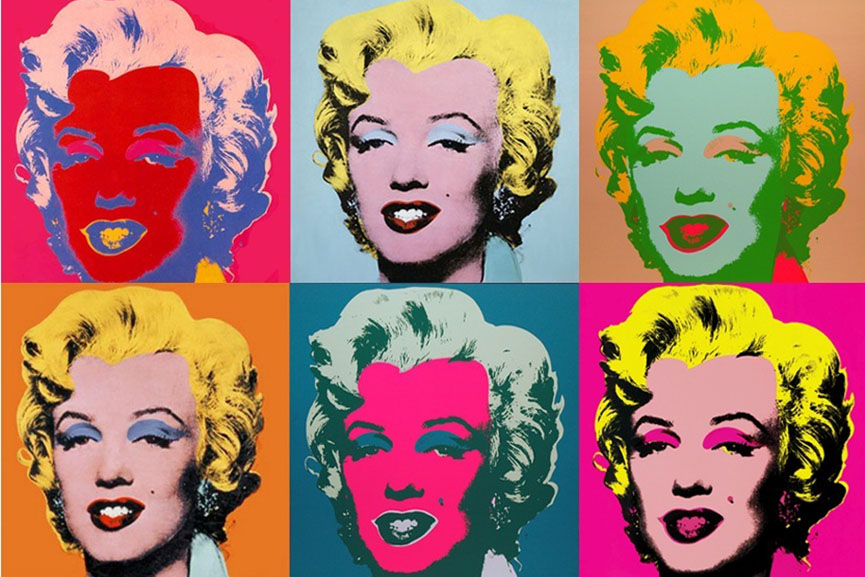
And what if instead of an all-American phenomenon, “Pop” art turns out to be the fruit, once again, of the genius of European Creativity? When we talk about popular art, this is the full name of that artistic current that revolutionized society immediately after the war, called POP. The thought goes instinctively to the America of the sixties and to that artist, Andy Warhol, who thanks to his icons with famous people, made this new vision in the art world-famous and unique; however, he only shared the intuition of another great artist, who before him had sensed the need for a new popular involvement to which the art of the nascent consumer society was oriented, more and more anxious to manifest itself and more and more eager to grab a space in the world of communication.
Born in England, Richard Hamilton was the first-ever in 1957 to compose a painting with the collage technique, never used before, with his painting entitled “Just what is that makes today’s homes so appealing” in which he depicts a quirky home interior that symbolizes home comfort. More or less aware, Hamilton thus started the new artistic research that would soon explode all over the world and especially in the American consumer society which, in particular, was in favour of this production and this innovative artistic style.
When, around the 50s of the last century, the new generation appears leaving behind all the burdens and wounds of the Second World War to face a new vision of life-based on technological development, on well-being dictated mostly by consumerism, a present is lived as a feverish race towards that future in which all those goods that until then were in use only by that social group considered elite, which was the only one to be able to access them, become part of the daily life of families. Here then is that art, which has always been a faithful interpreter and spokesperson of its time, returns to the representation of reality made necessary for the representation of the new popular culture, where people are the protagonists of the patterns of the consumer society and seek free time as fun and comfort as the new birth of a status quo.
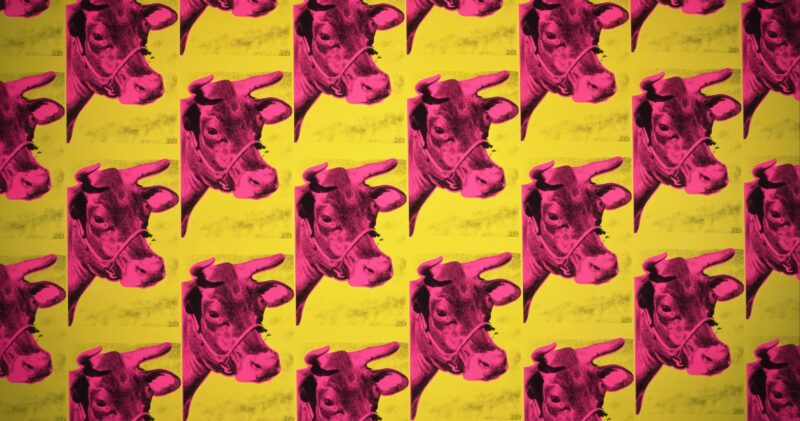
Art is, therefore, no longer attentive to abstract forms nor to conceptualities which are most often disharmonious of the information as they cease to talk about the people and to interpret popular life, even the same comics that in some way use the figure as an expression of a language, become forms of art, as the production of the great artist Roy Lichtenstein tells us, whose paintings all in a comic style, a style to which he will remain faithful throughout his life, even reinterpret the expressive forms of the various pictorial styles of the past such as cubism which with this new vision proposes a popular reinterpretation of some undisputed masterpieces that have made the previous masters great.
Once again, however, even the most American of all the artistic currents originated in Europe, which is most likely also the mother of America itself.
Edit by Prof. Maria Basile