
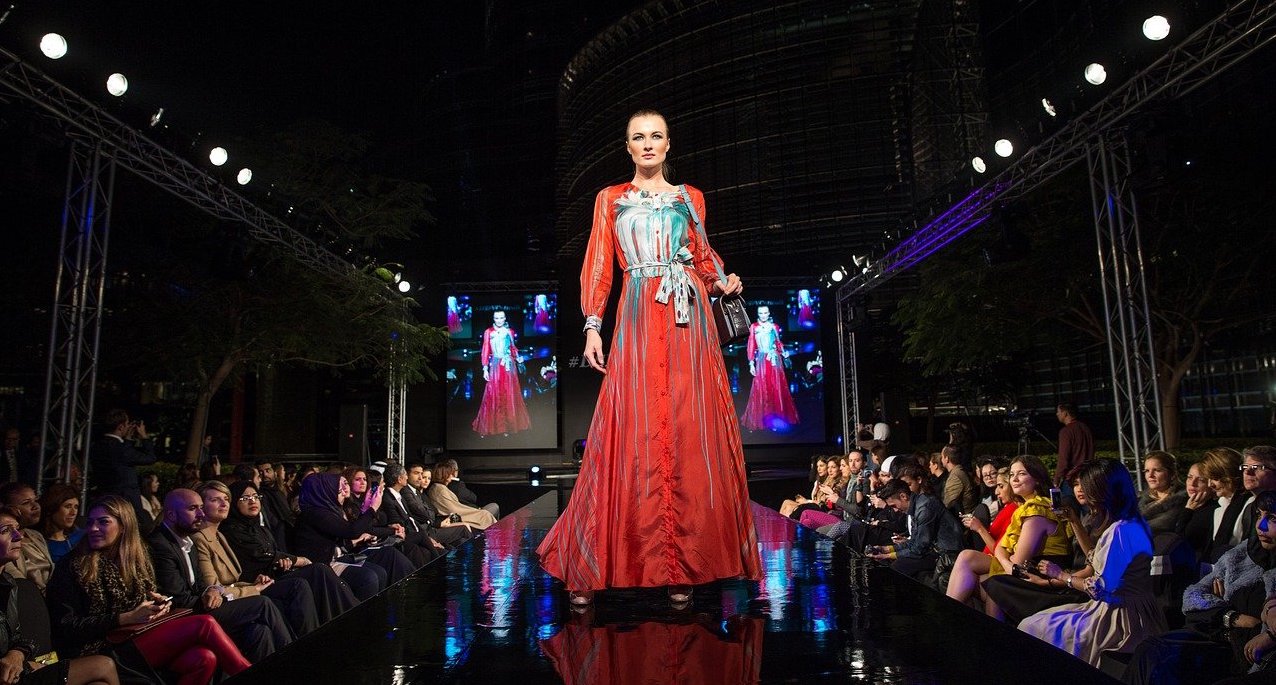
Fashion is an interpretation
The fashion world during the last 30 years has changed, due to the desire to change certainties, that is what was considered elegant and pleasant. Fashion contemporaries focus on the work of great stylists who “build” clothes by questioning the current canons regarding shapes, body proportions and the elegance of the silhouette. Fashion is a social phenomenon; it absorbs the attention, attraction. It is a historical perspective that adapts to modern life, interweaving different collections, methods of realization in the use of fabrics and the artistic part as a painting of an idea.

Fashion is considered pure art; the forms integrated into a dress pregnant with possibility and functionality, no less than vanity. This world has seen identities that have challenged the established methods of making a dress, finding new complex cutting techniques, precision and tailoring strategies to enhance the contours of the figure. In 1947 Cristian Dior’s first collection was called “The New Look”, it gave the woman the hourglass profile, the dress did not follow the natural shapes of the body, but the dress was made starting from the inside to enhance the bust and hips while minimizing the waistline, in short. This dress did not reflect the reality of the body but her dream.

The sartorial mastery is the rejoicing of excellence. The dress is only a fleeting moment of our present fact of suggestion and interaction between the self and the wearer. The designers have always had a profusion of possibilities, those who have idealized the natural forms of the female body with stretch fabrics such as Azzedine Alaia or Hervé Legér. Others have created structured 19th-century style dresses. History makes us observe all the variations in shapes and proportions that have determined the figure of the woman. Dress and body blend indissolubly to create a bold aesthetic, a decisive element of attraction.
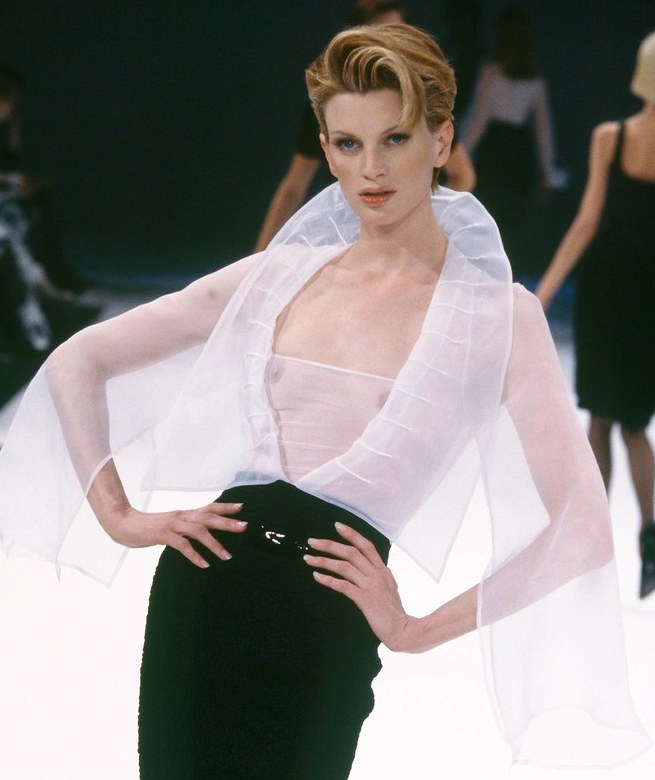
Let’s think of Dolce & Gabbana, Martin Mangela, Vivienne Westwood, who revealed the lexicon of fashion in the characteristics of underwear made into a dress, what had been inside clothing until then. How not to mention the beautiful jeans theme shirt by Gianni Versace accompanied by a large silk skirt. The great designers have always been inspired by the “sartorial follies” that have become icons over time.
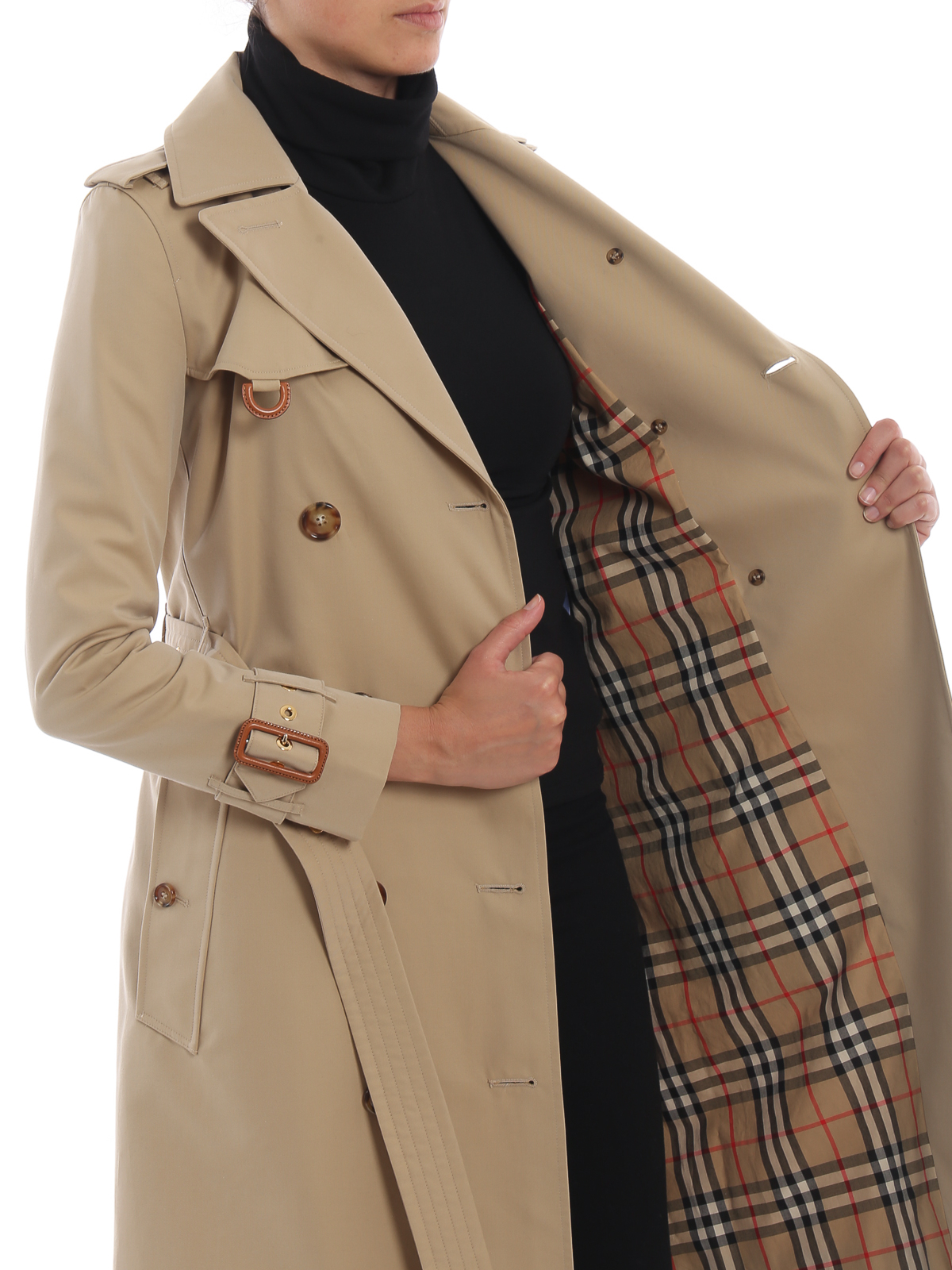
The classic trench coat created in 1914 by Thomas Burberry, making the most diverse and bizarre reinterpretations of a correct “piéce de résistence” of fashion. Moschino, with his vision of fashion between humour and criticism and excesses as in the Chanel style outfit complete with giant buttons. In short, the technique is an art in its social ramifications as the theme of his work. Miuccia Prada strives to preserve the craftsmanship by including handmade elements in their production of ready-to-wear fashion. This world has its dynamism in the use of materials, shapes and careful aesthetic wear as a comparison of social needs.
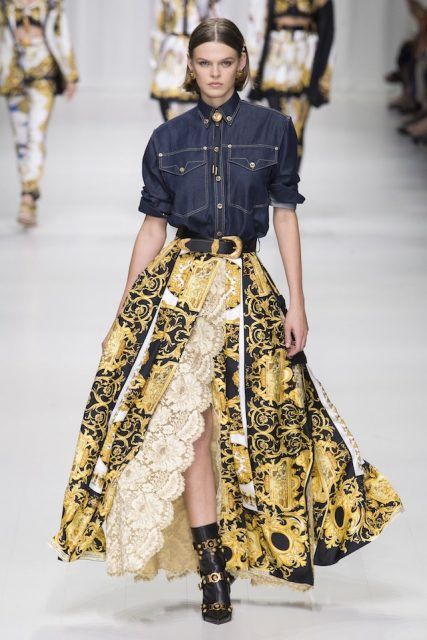
Fashion is a lexicon; it is a continuous shattering of visions that a wise public can appreciate. Interpretation of oneself in a t-shirt or a Versace or Ferrè dress is a game in a blouse that reveals the intentionality of comfort. In my opinion, fashion is touch, like a pair of buckskin gloves by Armani, a leather trench coat by Ferrè that accompany you over the years, represent you. To finish, I quote a phrase that was the revolution of femininity that no longer had to hide in a dress “Between cry and silence; we choose the word”.
Edit by Antonella Malizia