

Van Gogh’s Garden by Marco Dadone
What is photography? What is the urge to shoot images, to paint, to create? And what’s the essence of the visual power beyond an artist’s work? Marco Dadone, as an award-winning photographer and brand ambassador (for Sigma), tried to explore the meaning of all that, if meaning can be found.
That was the idea, without of course any aim of comparing little photographs with immense pieces of art, but on the contrary, just making himself small, so little to become a part of the process, to walk on the same ground and breath the same air that generated so high art, and to do it he choose the greatest, Vincent Van Gogh: come to see where he created. Marco engaged a trip to Provence in the middle of summer, to see the playground of this master’s works. He visited Saint-Paul de Mausole in the hot dawns of July, waiting for the sky to change between dark black into red, then white and so shine for the rest of the day with perfect blue.
That’s where Van Gogh intentionally recluded himself for about one year. He had a room and could go out for creating his paintings. Well, Marco found that here all the things are whispering the art of Vincent, who indeed left a great legacy: that art arises from tears and sweat. Not necessary from suffering, like another great, Edvard Much, said, but also from hopes –and there is much hope in Van Gogh’s paintings; it’s so material and ethereal at the same time. The essential thing is that an artist like Van Gogh had wings of the soul, and the strength or the urge to build a strange and peculiar nest, never known before. This can involve just some years, as life with this force inside can be short, but will stand forever. It’s the hardest work indeed: artists are not weak, they are the most powerful people out there, and the bravest.
That’s also because art is something very personal. If not, it doesn’t cross that line between accurate representation and something more. And being so intimate, can’t be often quickly understood. Vincent Van Gogh hardly sold one of his paintings during his whole life. Can You imagine? Nowadays, we all recognize he created a world, with a power that still pervades the sky, the fields, the air here where most of his masterpieces were created. Marco, in his photographic and visual journey, once in the middle of Provence was literally overwhelmed by the power that Vincent Van Gogh left here. He chooses to photograph with just one lens, a fixed 40 mm, to embrace more or less the vision of a man, and with intentional camera movements (a peculiar technique of long exposures while moving the camera a little), or often wide open at f1.4, to let most of the things smooth and almost dissolve in the hotness of the Provencal summer.
It came out an oblique story, in which reality mixes with the mood and feeling of these lands, to tell about a meeting with Vincent himself, more or less that way:
These dawns,
with the sun rays pervading the dark green of the olive trees, turning into gold all the blades of grass full of millions of white little snails, were painted by a solitary man during his walks before the daylight.
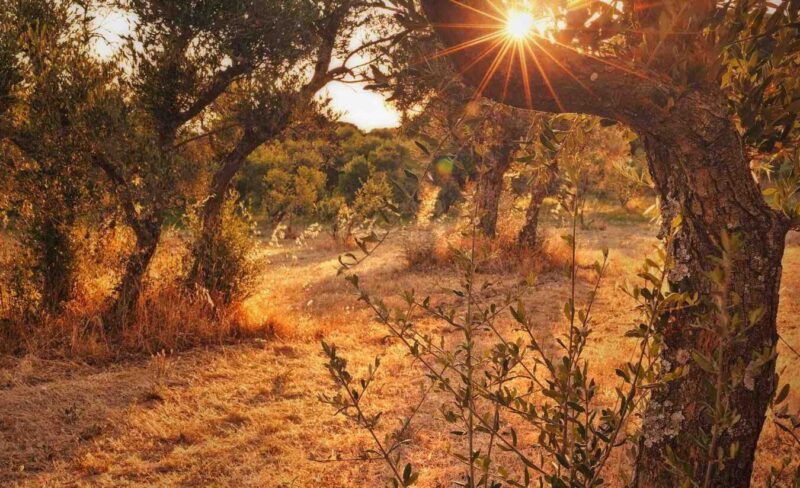
Olive trees outside Saint-Paul de Mausole
Between dried poppies and strange creatures from the hotness of summer, Vincent Van Gogh came here hardly able to talk, a heart full of sorrow and a soul full of visions, stayed one year and slowly began, again, to paint, to unravel the essence of things, to see the unseen.
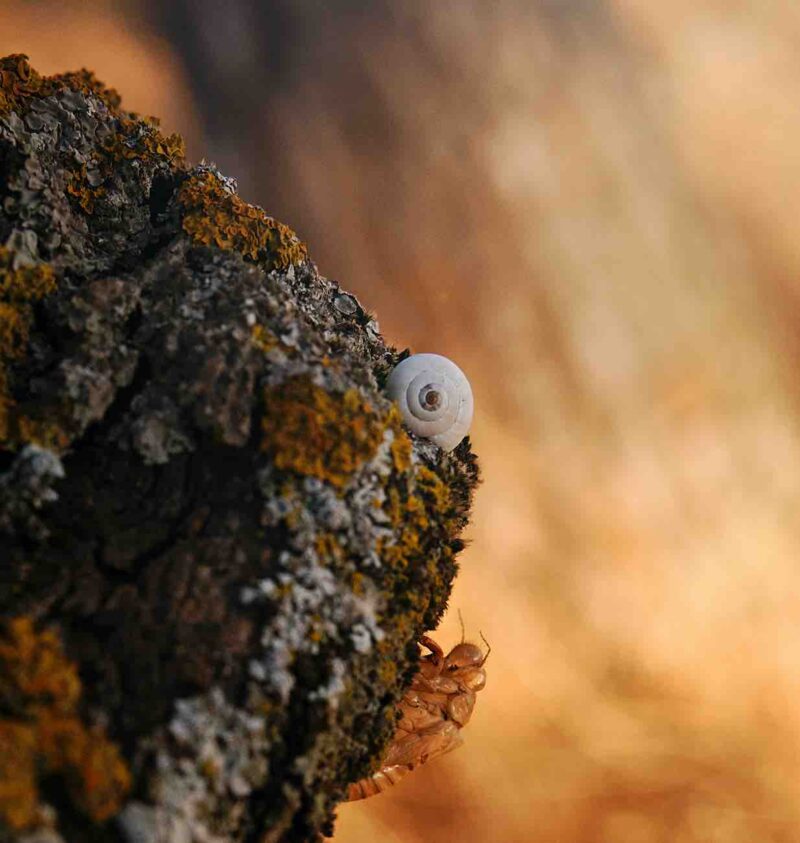
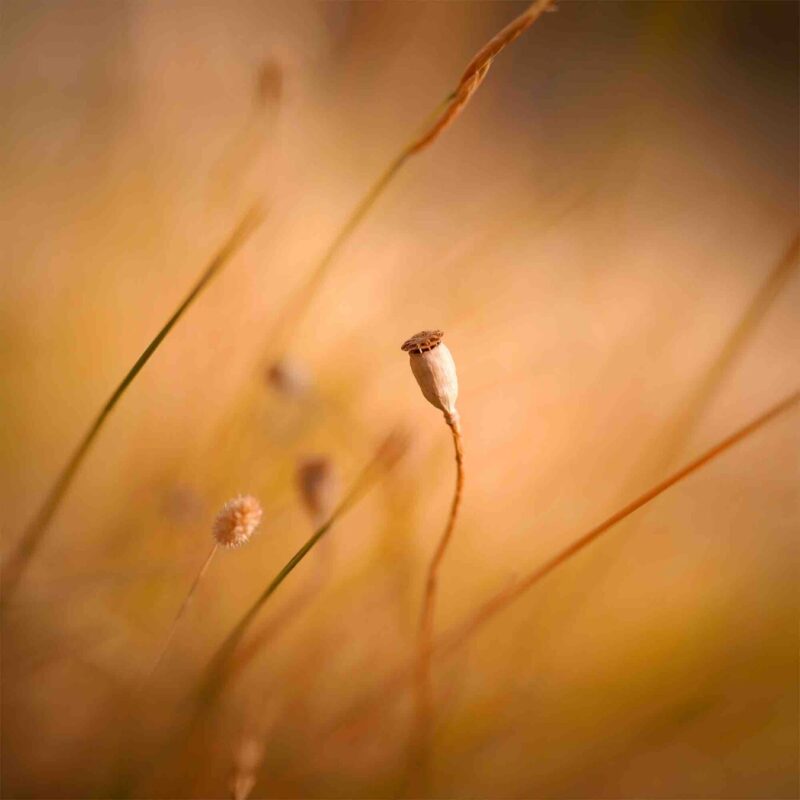
Saint-Paul de Mausole, at dawn in the fields
He wrote: “the emotions that take hold on me in the face of nature go as far as fainting, and then the result is a fortnight during which I am incapable of working” (Vincent Van Gogh, from a letter to Albert Aurier, 9 February 1890) and at the end of his provencal time he would tell his sister, in another letter: “I worked like a madman”. Yet his words were always clear, his humanity so high when communicated with his beloved brother Theo and the few to whom he did send letters. Well, it’s coming there at the end of July that You can feel the art of Vincent Van Gogh everywhere, outside Saint Rémy de Provence, where the fields begin in front of the bare peaks of the Alpilles, that’s where Vincent is still walking, brush in one hand, canvas on this shoulders, swept on his forehead, infinity in his eyes.
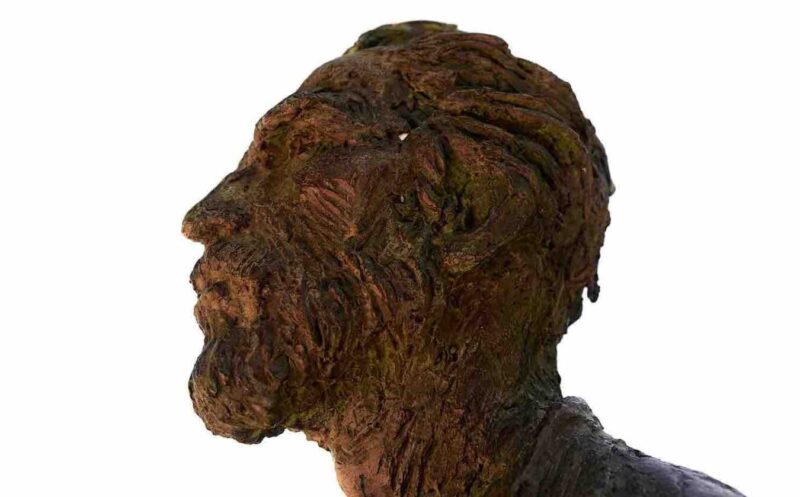
Van Gogh’s statue, Saint-Paul de Mausole
He entered the landscape there and began worked so deeply that now, everything in this sunny corner of Provence seems real just and only to the extent that it reflects his paintings. So it’s strange to wait for the sun to appear through the trees… You’d expect that it could come out just made of oil paint, to place itself amongst the rapid brushstrokes of the trees and the sky.
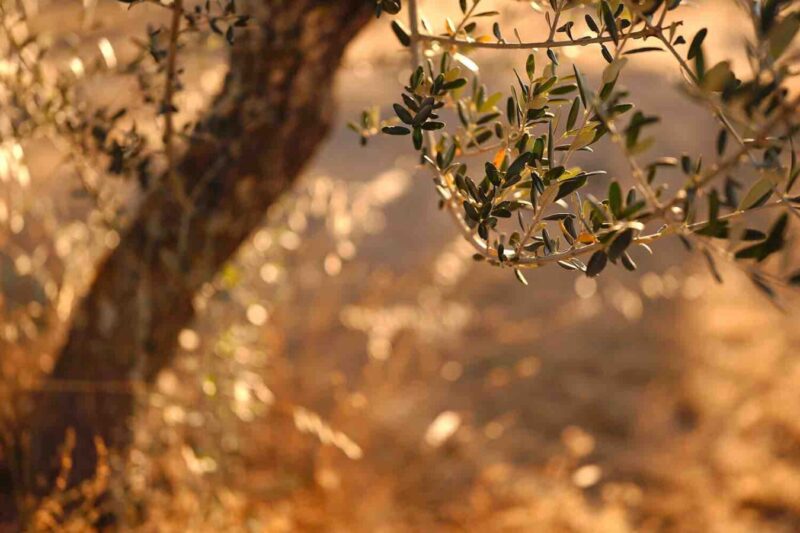
Olive tree at early morning, particular, Saint-Paul de Mausole
It’s here that the sight turns more intimate and slowly slides through dimensions, shapes, time: there’s a road to follow into the nowhere lands of the golden fields, but all paths bring elsewhere and the unnaturally enhanced colours take men hostage in their territories.
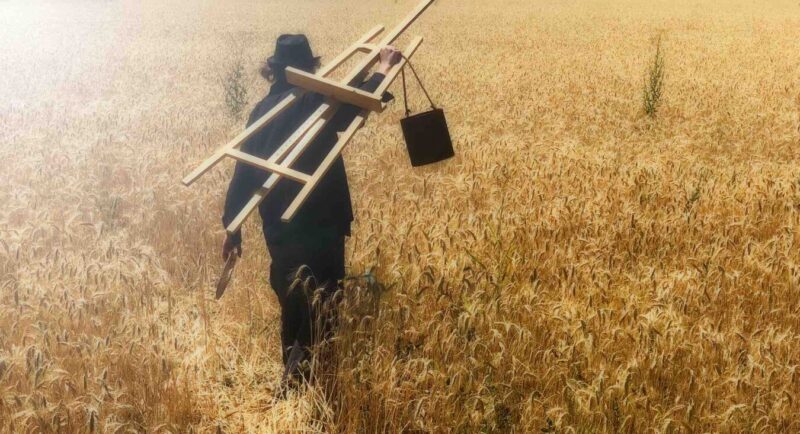
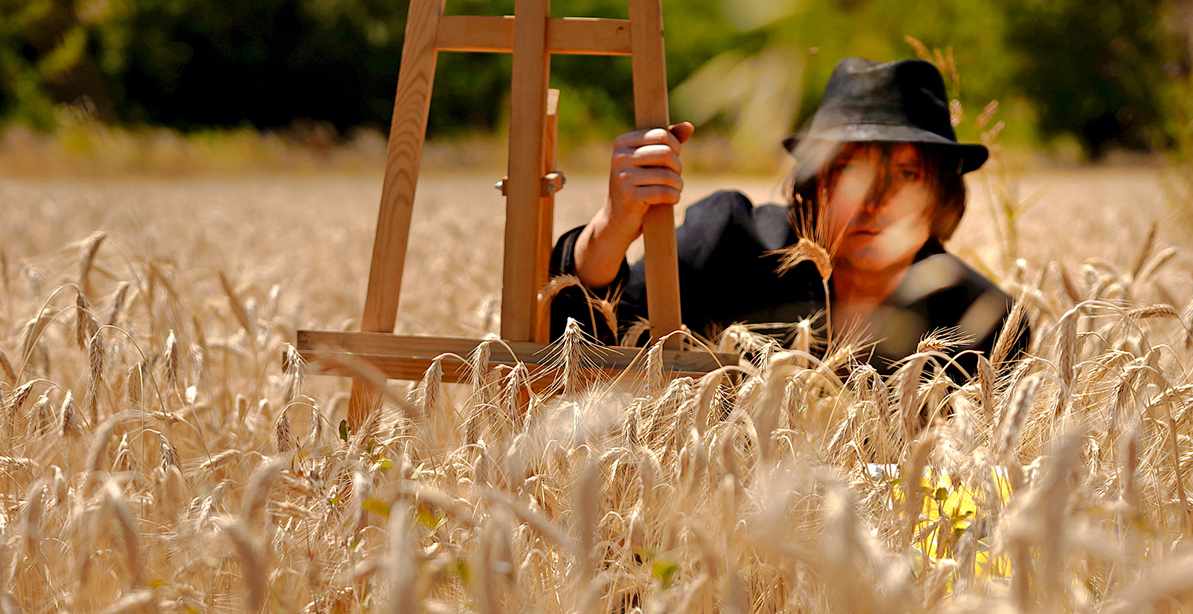
Roaming on the wheat fields of Provence
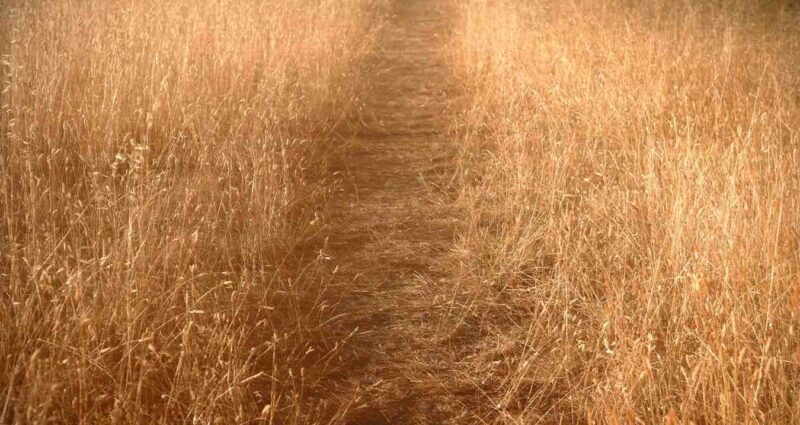
The path to Saint-Paul’s surrounding gardens
And so I reached, at the hottest point of the day, by the end of the sycamore avenue from Saint Remy to his asylum, the old monastery of Saint Paul de Mausole, where Vincent Van Gogh has been for 53 weeks from the 8th of May, 1889, and painted 150 works of art, which means one painting every 2/3 days. In a vertigo fever, that took hold on me, I was searching for shadow relief so I entered the little church: there I saw the chair, the single one submerged in yellow light, a little apart from the others, where Vincent used to prey and still does from time to time.
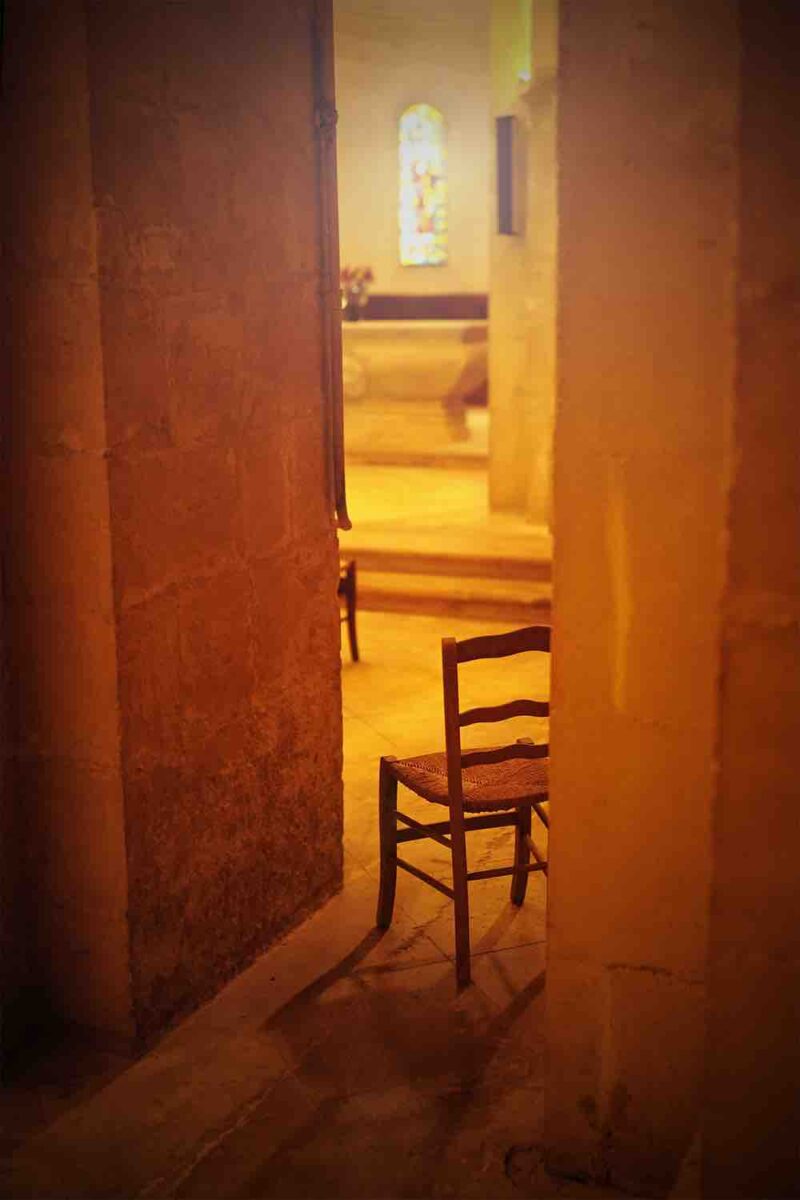
Inside the chapel at Saint-Paul
Then upstairs, his room, it’s here that came to my mind that to see beyond is a strange gift, and can make a soul explode.
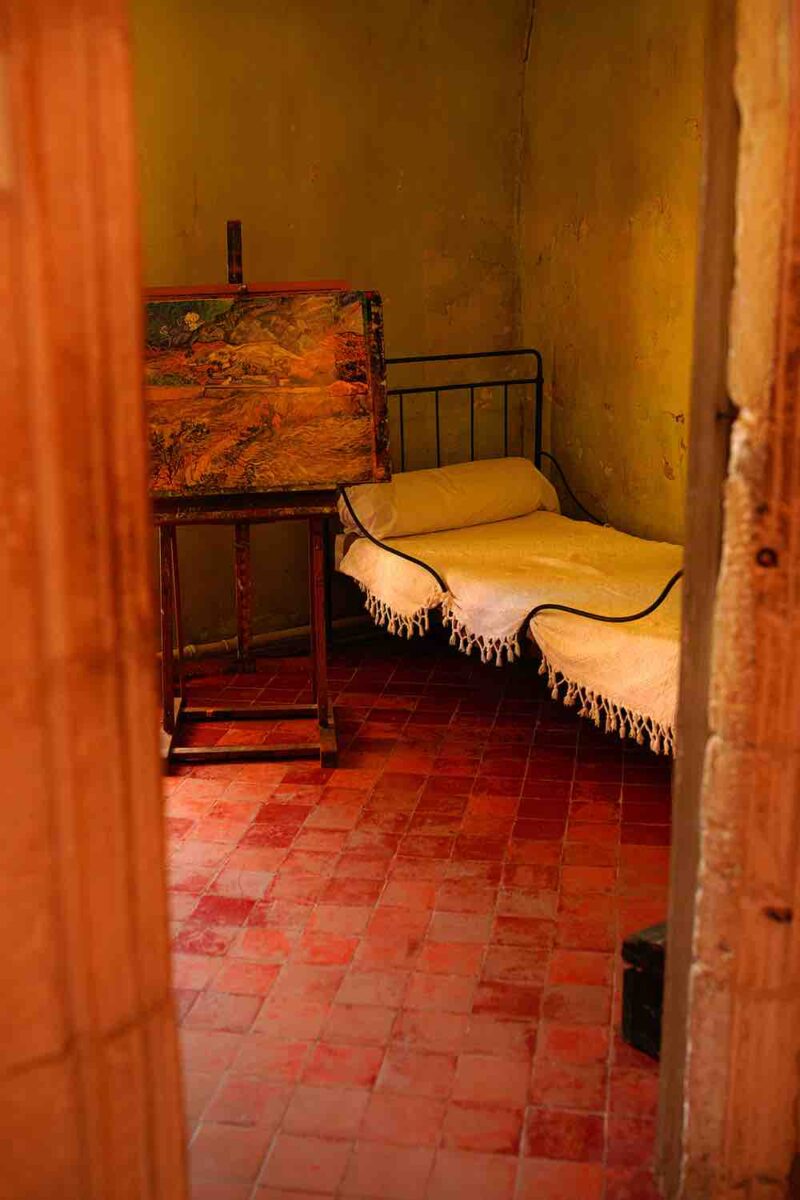
Van Gogh’s room in Sant-Paul
But as Provence in summer is something between a place and a vision, use that chance, try to find a little of those sparks and dream, Your own way. So take a stroll along with the asylum, towards the lavender little field and then onwards until You’ll meet the half-dried sunflower, that seems like it’s about to speak. He is, and that is what he would tell You:
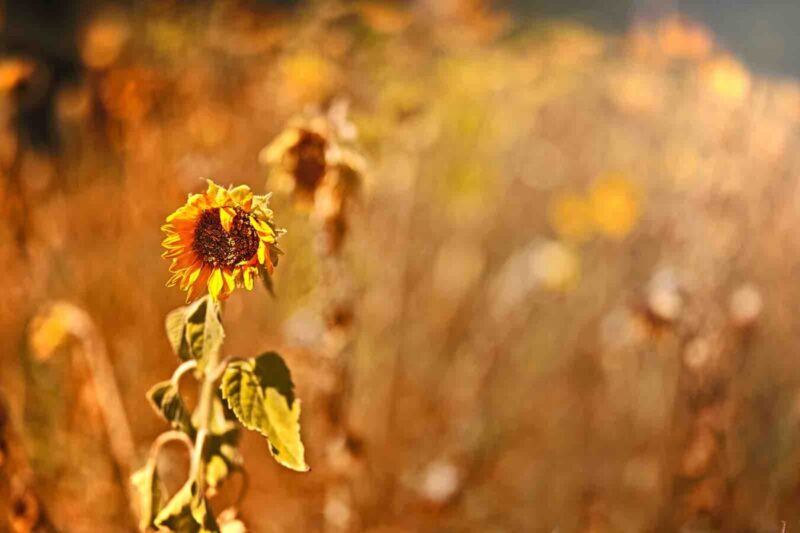
Sunflowers in the back garden of Saint-Paul
“in every shade, behind the simple shapes, around a reflection, besides those shadows, whenever You see something more, that is Van Gogh’s garden”. Yes, that is Vincent’s garden, take care of it.
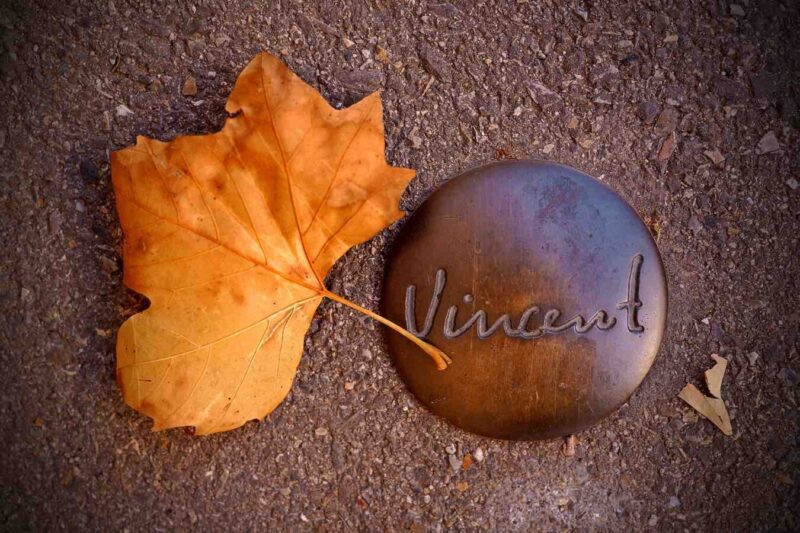
On Vincent’s road, Saint Rémy de Provence
Marco Dadone is a moody landscape and soundscape photographer, achieved several international recognitions through the years and is actually an ambassador for Sigma brand in Italy. These pictures were taken mainly with SIGMA up with just one lens, the SIGMA 40 mm f1.4 Art.
Enjoy even more @ Marco Dadone
Edit by Massimo Basile