Why do we wear make-up?
Underlined eyes, highlighted cheekbones, thinned nose… but why do we wear make-up? From the black brushstroke with flutter on the eyelid, to contouring to emphasise facial volumes, from punk pins set into the cheek, to tattoos that transform the epidermis into a carpet of marks, to the impossible dream of an alabaster skin never subjected to the sun’s malignant rays, we have always felt the urge to intervene on our face. Make-up, or maquillage, is a form of decorative cosmetics that we have carried with us since antiquity. It is a way we have of hiding certain aspects of our physiognomy and face, while highlighting parts that are conventionally considered beautiful.
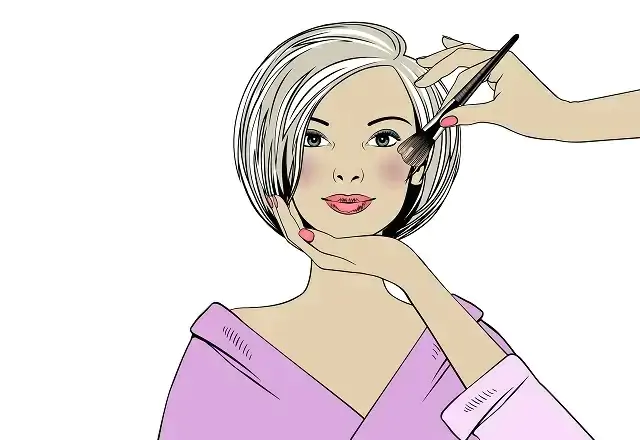
We want to correct or enhance: with anxiety before leaving the house in the morning, so as not to expose our face to the world’s judgement, with perfectionist passion in the evening, before dinner, the party, the love date. It would be interesting to pause and consider, however, that the verb we have been using for centuries to designate our efforts to look more beautiful is ugly: make-up.

Think of synonyms: deceive, cheat, falsify, tamper with… It is a process of transformation such that women and men apply products to modify the appearance of their face to make it adhere to a socially accepted ideal of aesthetics, to the absolute concept of beauty that is strongly linked to the fashion of the moment, and therefore, as such, changes over time. Is this what we want to do? Do we want to deceive? Who? The feeling after make-up is common to all: an increased self-confidence in the outside world thanks to emphasised eyes, thinned nose and various discolourations or imperfections concealed. It is a way of pleasing oneself and others, and it is a small pampering, a small gesture of love that we turn to ourselves when we stand in front of the mirror and spend time on it. Indeed, throughout history, make-up has been used not only to beautify the face, but also as a tool to mark character, personality and social status through specific signs and symbols. The skin represents the boundary between the inside and the outside, and so acting on it means wanting to play with one’s image to communicate different characteristics of oneself to others. In most cases, a woman who wears make-up feels confident: the very act of applying make-up indicates that she perceives herself as attractive and that she recognises the potential of her face.
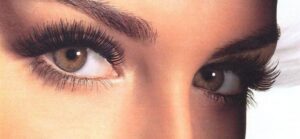
Behind make-up lie aspects of our identity, our character and peculiarities that come out in the way we make up our eyes, our mouth, or the colours we use. Make-up identifies us: it can make us appear more sensual, aggressive, or sweet. This certainly does not mean that all women (and men) have to wear make-up to feel good: make-up is not an obligation, it is creativity and freedom, but above all it is an almost magical tool that allows us to play and reveal the person we want to be at that moment.
Enjoy even more @ make up
Edit @ Chiara Collu
Editor @ Monaco Woman